 Pilipinas
 English
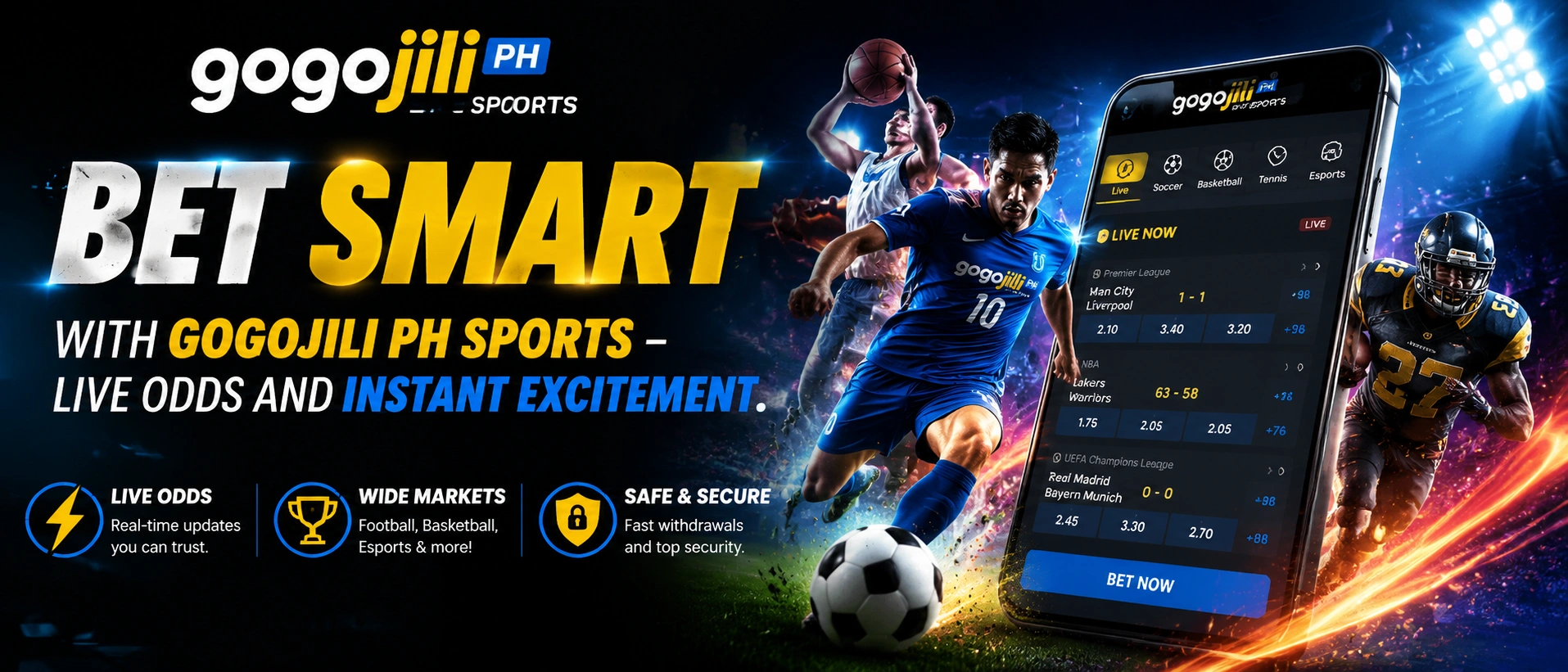
GOGOJILI Sports Philippines — Football, Basketball & Live Betting in a Clean Mobile View
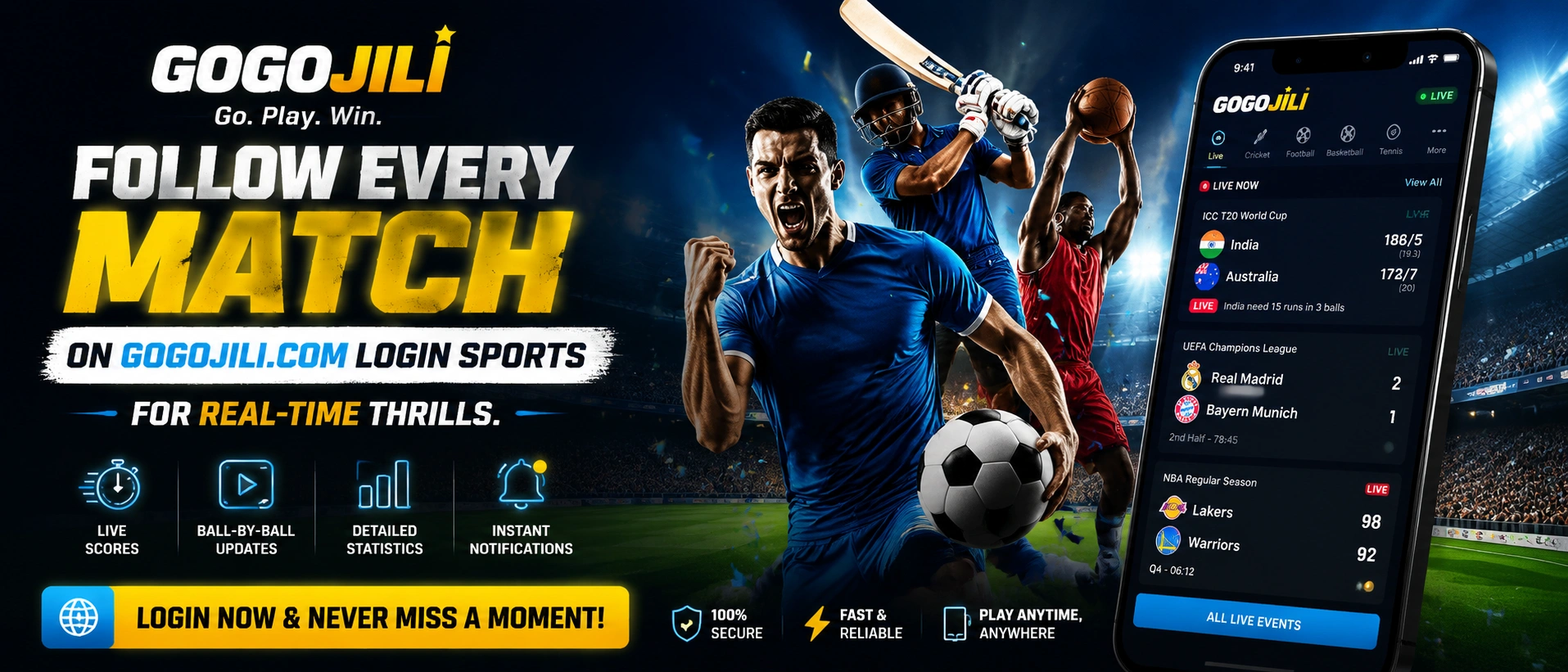
Some fans open the page for a quick football fixture before dinner. Others jump straight into a basketball matchup, then keep one eye on the live market panel. GOGOJILI Sports is built for that rhythm: fast event browsing, compact match cards, and a layout that stays easy to read on a phone. Use it when you want to track games, compare market types, or move between competitions without the clutter.
Why this sports page feels easier to use
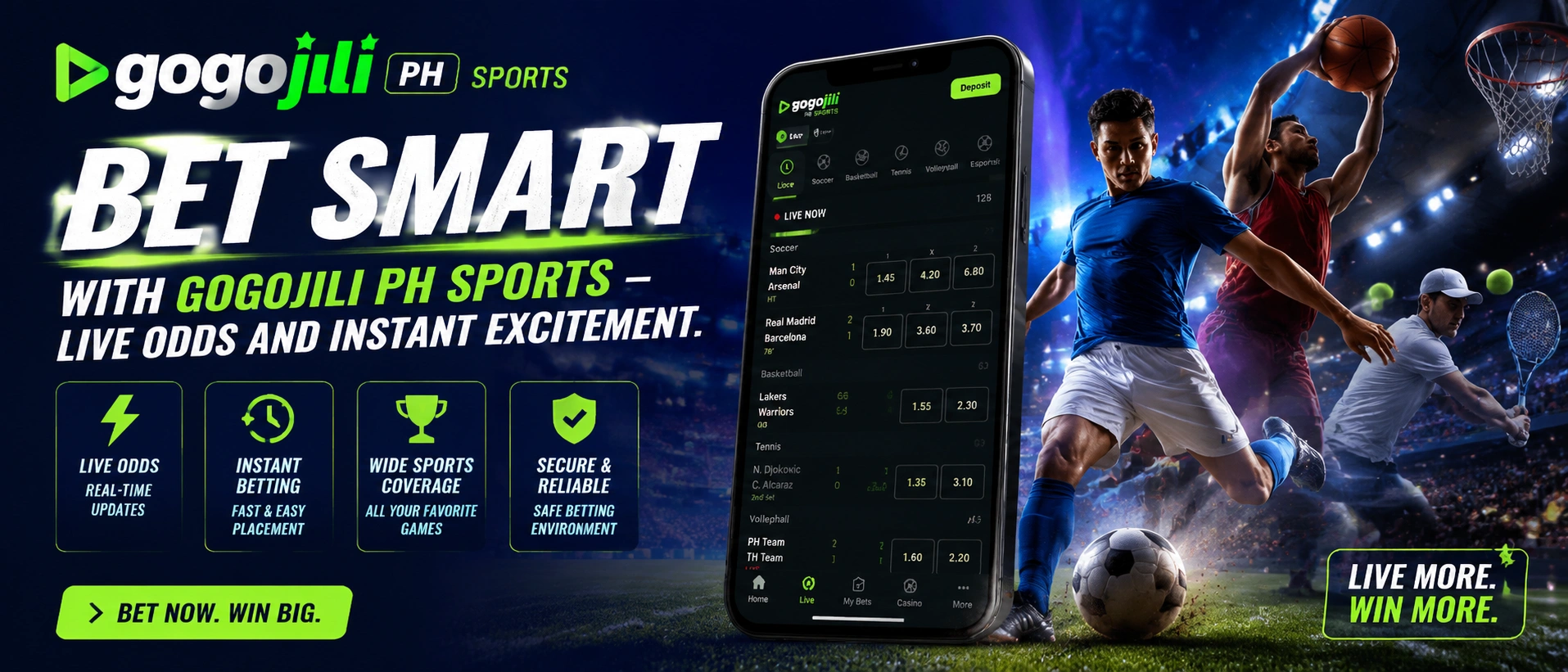
The clean layout is not just for looks. It helps users move from one game to the next without losing time. The main value is simple: one page for browsing sports, checking market types, and following event rhythm on mobile or desktop. That matters in the Philippines, where many users check fixtures in short sessions during commute time, lunch breaks, and the last hour before a primetime game starts.
Jump between matches
Open a football fixture, switch to a basketball matchup, then move back to live betting without digging through long menus.
Less clutter, clearer flow
Short cards and readable spacing help the page stay useful even when you are checking it on a small screen.
See the type before you tap
Users can tell whether they are looking at pre-match, live, or schedule-based information before they commit to a market.
Quiet, focused browsing
The interface keeps attention on sports information first, which is useful when you only need a quick check and want to leave the page cleanly.
Editor Note: Filipino sports users often keep more than one competition in play at the same time. A football fan may be checking a weekend fixture, while a basketball follower is watching the NBA schedule and a live bettor is waiting for line movement. A page that keeps those paths visible, but not noisy, tends to get used more often.
Sports categories that matter most on a busy day
The strongest sports pages do not throw every competition into one messy stack. They group the main paths first, then leave room for secondary events and guide content. For a Philippines-facing sports platform, that means football and basketball sit near the top, with live betting and mobile browsing close behind. Extra sports can appear as watchlist items when they are active.
Fixtures, results, and match windows
Football works best in a clear schedule format. Fans want kickoff time, competition name, and a clean way to move from pre-match reading to live event tracking.
Quick pace, fast decisions
Basketball users usually check team status, start time, and the live panel faster than they would on a slower sport. The page should keep that flow short and visible.
Follow the game as it changes
Live betting needs a cleaner layout than pre-match browsing. It helps when the market lane stays separate from the fixture card and the user can read the event state in one glance.
Fight cards and event pacing
Combat sports fans usually care about the main card, prelim order, and whether an event is upcoming or already live. Keep that information simple.
Set-by-set reading
Tennis is easier to browse when the panel highlights round, set count, and live status without crowding the card with too much text.
Use when the schedule is active
Boxing, Formula 1, volleyball, baseball, and golf can appear as extra discovery paths when an event is on the board or when the user wants a broader sports mix.
Popular sports showcase
These are the most visible lanes for a sports user who wants both speed and context. The cards below are written as active browsing points, not as promises of every match or market. Availability may shift by event and time of day.
Football match browse
Best for fans who check fixtures before kickoff, compare competition names, and watch how pre-match lines behave as the event gets close.
- Focus: fixtures and results
- Reading style: schedule-first
Basketball slate check
Useful for quick scans of the next game, especially when the user wants a compact look at matchups, timing, and live status.
- Focus: pace and timing
- Reading style: short-session friendly
NBA tracking
NBA fans usually move between schedule, standings, and game-day notes. A neat page helps them keep up with multiple games without bouncing across tabs.
- Focus: games and schedule
- Reading style: matchup-led
Live event action
For users who prefer in-play movement, the cleanest view is the one that keeps event state visible while the market lane stays easy to scan.
- Focus: live changes
- Reading style: quick updates
Featured competitions and what users usually check
Fans do not read every competition the same way. Football users want kickoff context and league meaning. Basketball users want pace, rotation clues, and the next game window. Combat sports users want card order and event timing. That is why the content below stays practical instead of padded with filler.
Fixture rhythm stays central
For many Filipino fans, the appeal is the combination of weekend fixtures and evening viewing. The best page treatment highlights date, team names, and the competition label before anything else.
- Check: kickoff time, home or away angle, and any live market change
- Use case: quick pre-match reading
Game windows and matchup notes
NBA browsing works well when the page shows who is playing, when the game starts, and how the live panel is organized. A fan can move from one slate to another without losing the thread.
- Check: schedule, matchup, and live state
- Use case: primetime following and short mobile checks
High-attention matches deserve cleaner cards
Big European nights usually bring higher browsing traffic. A focused layout helps users compare teams, read the fixture, and find the market lane without opening extra pages.
- Check: group stage or knockout context
- Use case: event-night browsing
Fight card order matters
Combat sports are easier to scan when the card tells you what stage the event is in. Fans often look for the main event first, then work backward to prelims and undercard notes.
- Check: card order and live status
- Use case: event-night reference
Live scores and match schedule panel
This panel is built to help users find what is happening now and what comes next. No fake scores. No stitched-together fixture dates. When the live data is active, the score column can update in real time; when it is not, the card should stay honest and point users to the current event list.
| Sport | Competition / Event | Match or card view | Status | Score / note |
|---|---|---|---|---|
| Football | Fixture browsing | Selected match card | Pre-match or live | Check the current panel for the live state |
| Basketball | Game slate | Tonight’s matchup | Scheduled or live | Open the live view when the game starts |
| NBA | Game window | Back-to-back slate | Upcoming or in play | Match info can shift as the slate updates |
| UFC | Fight card | Main event / prelim split | Upcoming or live | Use the current card list for event status |
| Tennis | ATP / WTA watchlist | Set-based match view | Live or upcoming | See the event page for set-by-set changes |
Player Insight: Most mobile users do not want a long sports feed. They want a match name, a current state, and one clear action. That is why compact score cards tend to work well during lunch breaks, on the ride home, or five minutes before the next event begins.
Market Observation: Evening browsing usually rises when the schedule tightens. Football fixtures, NBA games, and live betting markets often sit side by side in the same session, so the page should keep the sports lane and the market lane visually separate.
Feature grid: the things users notice first
A sports page earns repeat use when it solves small problems quickly. The cards below focus on those practical points: moving fast, reading the market properly, staying comfortable on mobile, and keeping the layout quiet enough for real use.
Clean market lane
Users can scan the match area first, then move to the market section. That order helps reduce accidental taps and makes the screen feel more controlled.
Mobile-friendly spacing
Buttons stay easy to tap. Cards stay stacked cleanly. The page does not force a user to pinch-zoom just to read one line of fixture information.
Fast event browsing
This is the useful part for busy fans. Skip straight from football to basketball to a live event without opening three different pages.
Transparent reading style
Market labels, competition names, and event states should be visible at the same time. That makes the page easier to trust and easier to scan.
Privacy-first feel
The design keeps attention on the sports card instead of chasing the user with loud banners. That quiet tone can help when someone wants to browse discreetly.
Seasonal activity space
When festival promos, weekly drops, or birthday offers are active, they can sit in a dedicated promo area. The terms should always stay visible next to the offer.
Philippines sports observations
The local rhythm shapes how sports pages get used. People do not always sit down for a full session. More often, they open the page between errands, before work, or during the last stretch of the evening when the next game is about to start. That is why a page built for the Philippines should feel light, mobile, and direct.
Basketball stays immediate
Basketball users usually move quickly. They want the next matchup, the schedule, and any live state in a format that does not waste time. NBA content often sits near the top because the viewing habit is familiar and steady.
Football grows through routine
Football browsing in the Philippines often comes from repeated behavior: checking the same league every weekend, following a team, or opening a fixture before the match starts. A clean fixture line helps that habit stick.
Weekend and holiday traffic feels different
Long weekends, holiday breaks, and payday periods change how people browse. Some users spend more time comparing events; others just want a quick look before they join a live market. The page should handle both.
Short sessions are common
A user may only stay for 30 seconds. If the fixture, market type, and action button are visible at once, the page has already done its job. That is a better result than stuffing every card with noise.
Editor Note: A sports platform for Filipino users works best when it respects the timing habits of the market. Evening games, lunch-break checks, and mobile browsing on the move all point to one thing: clarity beats decoration.
Mobile sports on Android, iOS, and browser
Most sports browsing now happens on a phone, and that changes the design rulebook. A mobile user needs fewer words, bigger tap targets, and a structure that does not collapse when the screen gets narrow. The cards below are built around that reality.
Android-friendly flow
Stacked cards, clear buttons, and smooth spacing help the page stay readable on common Android screen sizes without horizontal overflow.
iOS browser comfort
Short text blocks and rounded containers make the page feel lighter in Safari or other mobile browsers. It is easier to scan one section at a time.
Touch-friendly sports cards
Every major action should feel reachable by thumb. That is especially useful when the user is moving from fixtures to live betting and back again.
Promotions and seasonal activity desk
The sports side of the site can carry a lighter promotional rhythm than a casino lobby, but it still benefits from a visible activity space. If the current run includes a festival promo, weekly welfare, a birthday gift, or a recharge rebate, the offer should be presented with the terms next to it. No blur. No hidden step.
What users should check first
Look at the eligibility window, the event category, and the action required. If an offer is tied to a specific match week or celebration period, that should be shown clearly before the user taps anything.
Why this matters
Seasonal offers can be useful, but only when they are readable. A sports fan should never have to guess whether a rebate is for a live event, a new sign-up, or a time-limited campaign.
Practical Tip: Read the offer before you read the headline. If the terms are not visible in the first screen, the page is asking for too much trust too early.
How to read sports markets without getting lost
For users who are new to sportsbook terms, the cleanest approach is to learn the market type first and the team second. That order reduces confusion, especially when live betting creates moving lines. The guide below keeps the language plain.
Pick the sport and event
Start with football, basketball, UFC, or another competition you already follow. Then confirm whether the event is scheduled, live, or still in the preview stage.
Read the market label
Look for common market types such as moneyline, handicap, totals, or live betting. The label should tell you what kind of action you are viewing before you commit to it.
Check timing and rules
Some markets close quickly when a game starts or when a fight round changes. Event timing matters, so review the rules and the current state before moving on.
Common terms, plain meaning
Pre-match: before the event starts.
Live: while the event is running.
Fixture: the scheduled match.
Card: the list of fight bouts or event entries.
What beginners should avoid
Do not chase a market just because it moves fast. Do not assume one team name is enough to understand the line. And do not skip the rules, even if the page looks simple.
Sports comparison table
Different sports ask for different habits. Football is schedule-led. Basketball is pace-led. UFC is card-led. The table below shows how Filipino users often read them on mobile.
| Sport | Popular competitions | Typical information | What fans check | Mobile use |
|---|---|---|---|---|
| Football | Premier League, Champions League, domestic leagues | Fixtures, results, tables, team form | Kickoff time, home or away angle, live status | Best on a compact schedule card |
| Basketball | NBA, local and international games | Matchups, game flow, player context | Who is playing next and when the game starts | Ideal for quick thumb checks |
| UFC | Fight Night, numbered events, main cards | Fight card order, divisions, event stage | Main event, prelims, live timing | Works well in a stacked card layout |
| Tennis | ATP, WTA, Grand Slam events | Sets, rounds, serve stats, live status | Set score and current momentum | Needs a score-first layout |
| Boxing | Title fights, undercard nights | Rounds, card order, decision path | Main bout and round count | Good with a minimal event card |
| Formula 1 | Race weekends and qualifying sessions | Grid position, session stage, timing | Session status and schedule | Best in short information blocks |
Practical tips for smoother sports browsing
These are small habits, but they save time. They also keep the browsing experience calmer when the schedule gets busy or the live markets are moving fast.
Check the fixture time twice
Local time and event time are not always the same thing. Before you open a market, confirm the schedule so you do not arrive too early or too late.
Read the competition name first
A match card means more when you know the competition behind it. League context changes how people read form, pace, and event importance.
Use the live panel only when the event is live
Live betting and live scores are useful, but only when the event has actually started. If not, the pre-match view is the better place to stay.
Keep your session short when needed
Short browsing sessions work well on mobile. Open what you need, close what you do not, and come back only when the next event matters.
Practical Tip: If a market looks crowded, step back for ten seconds. The best read is often the one that is not rushed.
Strategy notes for users who follow live betting
This section is not about chasing outcomes. It is about reading the event properly. Live betting moves quickly, so a calmer process often beats a louder one. Keep your eye on the event stage, the market label, and the time remaining.
Compare form, then compare context
A team can look strong on paper and still face a bad matchup. The event matters more when the schedule is busy, and home or away context can change the picture.
Do not rely on one stat
One number never tells the whole story. A better read usually comes from combining the fixture, recent form, and the live state of the event.
Set a stop point before you start
If you are using a sportsbook, decide your own limit before the first tap. That keeps the session under control and makes the page easier to use with a clear head.
Frequently asked questions
The answers below stay close to what a Filipino sports user usually needs first: what the page covers, how the fixtures work, whether live betting is part of the experience, and how to browse it responsibly.
1. Is GOGOJILI Sports a sports platform for Filipino users?
2. What sports can I follow on GOGOJILI Sports?
3. Does GOGOJILI show football fixtures and results?
4. Can I follow NBA games and schedules here?
5. Does the sports page include UFC or combat sports?
6. Can I check live scores on mobile?
7. Does GOGOJILI offer sports betting in the Philippines?
8. What should beginners know before using a sportsbook?
9. Can I follow seasonal promos or festival offers from the sports page?
10. How can Filipino users follow sports responsibly?
Explore GOGOJILI Sports Philippines
Open the sports hub, check the current fixtures, and move into the market view only when the event is ready. If you prefer to create an account first, the register path is set. If you only want the sports guide, that path is there too.
Responsible gaming
This page supports sportsbook-style browsing, so a responsible rhythm matters. Keep the session amount clear, set your own time limit, and take a break when the live board starts moving too fast. If a market is not fully understood, pause and read the terms first. Sports should stay a sport.
Simple rules that help
- Set a budget before you enter the market.
- Use breaks when the session gets long.
- Do not chase a result just because a line moved.
- Read the applicable rules for every event.
When to step back
If you are tired, rushed, or frustrated, stop for the day. Live sports pages can be intense during primetime, and that is exactly when a short pause helps most.
Contact and site links
Use the approved paths below to move around the site. If you need the sports hub, the guide desk, or the account path, they are all kept in one place so the page stays simple to navigate.
Trust pages
For the best sports browsing experience, keep the schedule close, the guide handy, and the market reading calm. That is the difference between a page that looks active and a page that actually helps people follow the game.